
.png)
Scleral lenses are specialty contact lenses often recommended for people with severe dry eye, complex eye conditions, or irregular corneas. Many patients start to notice better comfort and clearer vision within the first week. That said, the full adaptation process can take a little longer and varies from patient to patient.
The Adaptation Period
Total adaptation to scleral lenses typically takes 1 to 4 weeks, depending on factors like your eye shape, prior contact lens experience, and daily wear schedule. Patients experience a brief adjustment period where the lenses feel larger or more noticeable once inserted. Fortunately, the sensation fades as the patient adapts. Most people start by wearing their lenses for 4–6 hours on the first day, then add about 1–2 hours of wear each day as their eyes adjust.
During the first few days, you may notice the lens edges more. But, scleral lens comfort improves steadily as the saline-filled vault maintains tear film quality and stability, shielding sensitive tissues from friction and dryness. By week two, most patients enjoy all-day wear without irritation. This makes activities like reading or working on a screen significantly easier.
What Individual Factors Affect the Adaptation Timeline?
Several factors can influence how quickly a patient adapts to wearing scleral lenses. Individuals who have previously worn contact lenses often adjust more quickly because they are already familiar with the sensation of lenses on the eye. Patients who have never worn contact lenses may need a little more time to become comfortable with the insertion and removal process, as scleral lenses require careful hygiene and a bit of dexterity to handle properly.
Lifestyle factors can also affect the adjustment period. Dry environments, air conditioning, and prolonged screen use can contribute to ocular surface dryness and may slightly prolong the adaptation process. Strategies such as using a humidifier, taking regular breaks from screens with the 20-20-20 rule, and maintaining healthy blink habits can help improve comfort during the day.
Equally important is addressing any underlying ocular surface inflammation. Managing dry eye disease and eyelid inflammation alongside scleral lens wear can significantly improve comfort, stability, and long-term success with the lenses.
When fitted by experienced specialists, scleral lenses support long-term eye health by protecting the cornea and minimizing mechanical stress on the ocular surface. Throughout the process, we work closely with patients to refine the lens fit and wear schedule, helping ensure steady progress and a comfortable adaptation period.
How Scleral Lenses Improve Comfort Over Time
Scleral lenses often feel easier to adapt to than many people expect because of how they interact with the eye. Once the lens is filled with preservative-free saline, it creates a smooth “liquid cushion” over the cornea. This fluid reservoir helps keep the corneal surface hydrated and protected throughout the day, which can reduce the burning, stinging, and foreign-body sensation that some patients feel with other lens types.
That said, it’s important to understand what scleral lenses do and do not do for dry eye. The reservoir can soothe and hydrate the cornea, but it does not treat the underlying cause of dry eye, especially when inflammation or eyelid/meibomian gland dysfunction (MGD) is part of the picture. Treating underlying inflammation and lid disease alongside scleral lens wear is often key to maximizing comfort, reducing irritation, and improving long-term success.
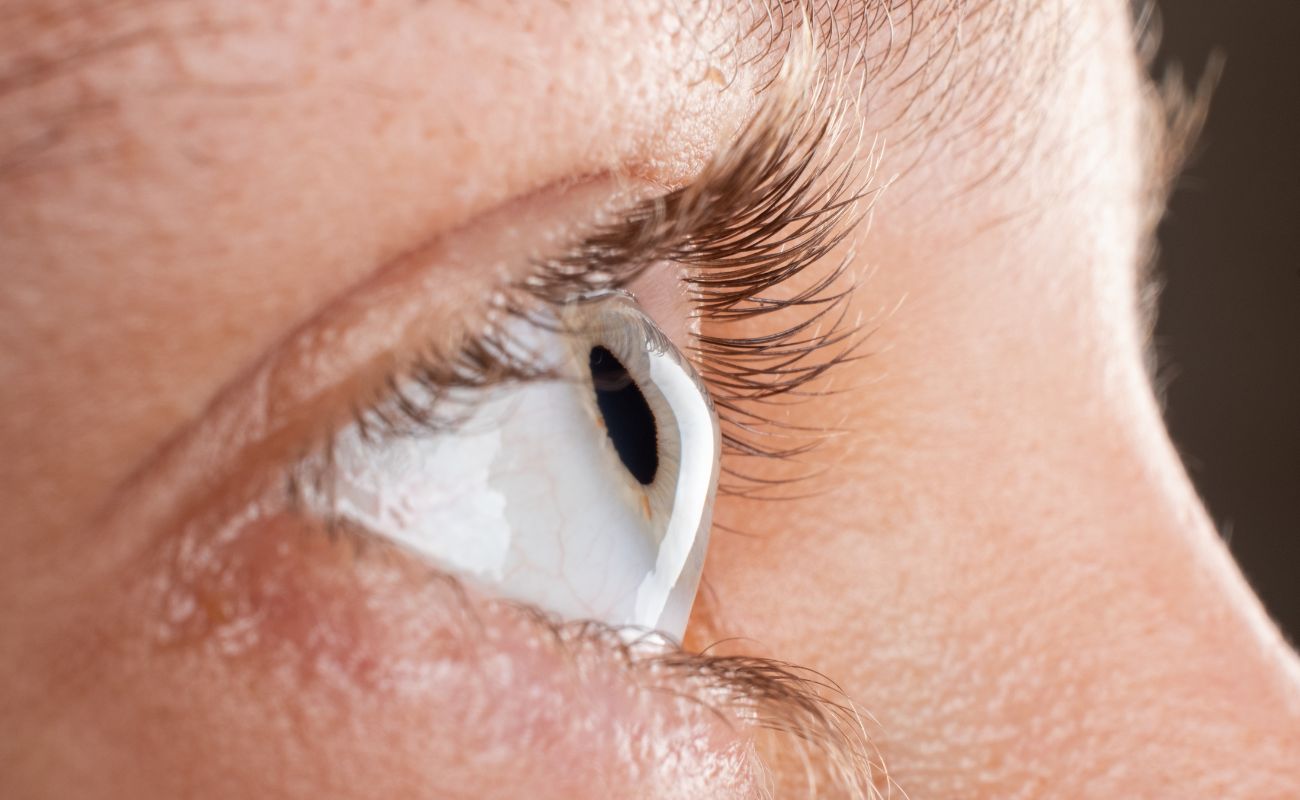
Another reason scleral lenses can be more comfortable is their size and landing zone. Because they rest on the white part of the eye (the sclera) rather than the cornea, pressure is distributed more broadly, which many patients find more comfortable than smaller rigid lenses. For patients with corneal irregularities or prior injury, where soft lenses may be uncomfortable or unstable, scleral lenses are custom designed to vault over the cornea without touching it, providing stable vision and a secure, protective fit while minimizing mechanical friction on sensitive tissue.
The Benefits of Scleral Lenses Compared to Other Lenses During Adaptation
On irregular corneas, soft lenses may become uncomfortable more quickly and require frequent replacement, prolonging discomfort without truly addressing the root cause of your symptoms.
Rigid gas-permeable (RGP) lenses can provide crisp vision but may feel gritty at first and usually require a longer adaptation period because they do not offer the same fluid cushion as scleral lenses.
Hybrid lenses blend features of RGP and soft lenses. Yet, they still rest directly on the cornea, which can limit comfort for some patients with corneal irregularities.
Scleral lenses excel during the adaptation period because they provide immediate, consistent hydration and protection from irritants while providing clear, non-surgical vision correction. Scleral lenses are widely regarded as a highly effective option for patients with challenging conditions because they support long-term corneal stability from day one. Patients rarely drop out during the custom scleral lens fitting process because discomfort is minimal.
The Scleral Lens Fitting Process
At Miami Contact Lens Institute, we have extensive experience helping patients adapt to scleral lenses. The fitting process starts with a consultation and taking measurements. We’ll talk about your symptoms, medical history, lifestyle, and your experience with contact lenses. Using advanced corneal mapping and digital imaging technology, we create custom scleral lenses designed for your unique eye shape.
When your lenses are ready, you will return to the office for a dispensing appointment. During this visit, we will teach you how to properly insert, remove, and care for your lenses. We will also evaluate the lenses on your eyes and take additional measurements to ensure the fit is optimal. Because scleral lenses are highly customized, even small adjustments can make a meaningful difference in comfort and vision.
Follow-up visits are an important part of the process, allowing us to monitor your eyes and fine-tune the lenses if needed. With proper fitting and ongoing care, most patients find that the initial adjustment period is short, leading to comfortable and reliable daily wear.
Start Your Scleral Lens Journey
Many patients at Miami Contact Lens Institute achieve comfortable, all-day scleral lens wear within weeks, transforming persistent vision challenges into manageable routines. We offer guidance on hygiene and comfort to help you accelerate your scleral lens adaptation time. If you’re new to scleral lenses or you need an expert practitioner to help you adjust, contact Miami Contact Lens Institute to schedule a consultation.