

Core Insights:
- Scleral lenses create a protective reservoir of fluid over the surface of the eye, helping to keep damaged eyes comfortable and hydrated throughout the day.
- Chemical and thermal injuries can lead to corneal scarring, chronic dry eye symptoms, and long-term changes in vision.
- Because scleral lenses rest on the white part of the eye, they vault over the cornea without touching sensitive or injured tissue.
- Scleral lenses are typically considered after the initial injury has been treated and the ocular surface has stabilized.
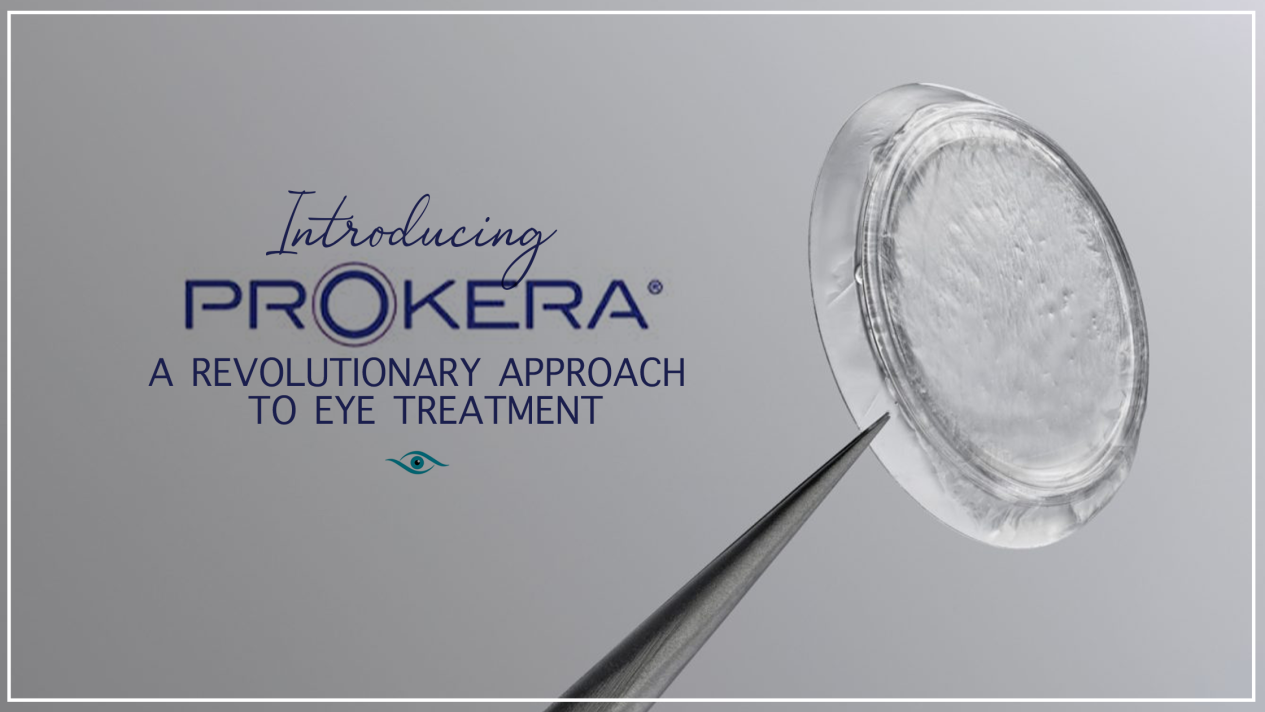
- During the early stages of recovery, treatments such as Prokera® or bandage contact lenses may be recommended to support healing before transitioning to scleral lenses for long-term comfort, protection, and visual rehabilitation.
Scleral lenses can be a valuable treatment option for patients recovering from chemical or thermal injuries to the eye. Because these lenses rest on the sclera, or white part of the eye, they vault over the cornea without touching damaged tissue. This unique design creates a protective reservoir of fluid over the ocular surface, helping to improve comfort, maintain hydration, and support the health of the cornea.
While emergency medical treatment is essential immediately following an ocular injury, scleral lenses may play an important role in long-term rehabilitation once the eye has stabilized. For many patients, they can help address ongoing symptoms such as dryness, discomfort, light sensitivity, and reduced visual quality resulting from corneal scarring or ocular surface damage.
What Causes Ocular Surface Damage After an Injury?
Chemical and thermal injuries to the eye are medical emergencies that require immediate treatment. Exposure to substances such as bleach, ammonia, industrial cleaners, or other chemicals can cause significant damage to the ocular surface. Similarly, burns from fire, steam, hot liquids, or other heat sources can injure the delicate tissues of the eye.
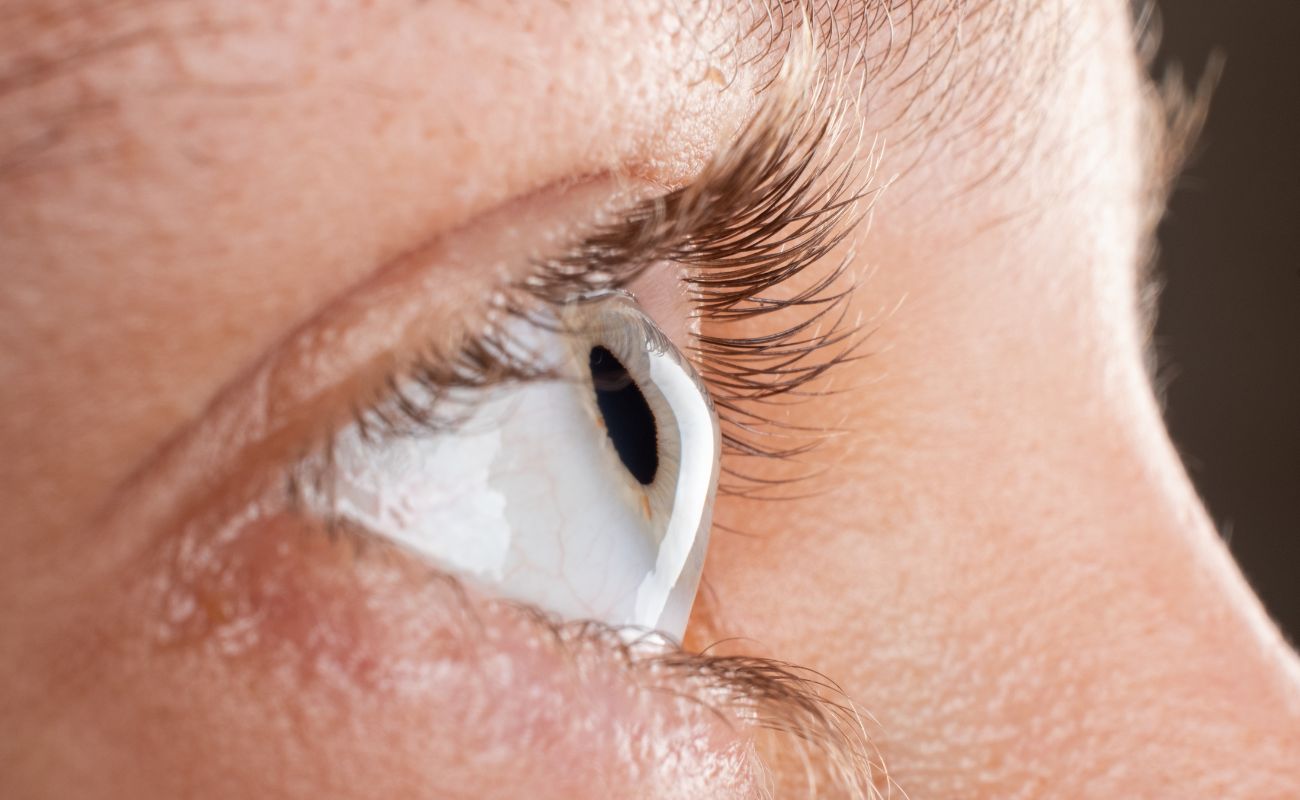
Even after the initial injury has healed, some patients may experience long-term effects. Damage to the cornea and ocular surface can lead to scarring, chronic dryness, light sensitivity, discomfort, and changes in vision. In more severe cases, the normal tear film may become disrupted, making it difficult for the eye to remain properly lubricated and comfortable.
Because every injury is unique, ongoing care is often necessary to help protect the ocular surface, improve comfort, and maximize visual function during recovery.
How Do Ocular Burns Affect Long-Term Eye Health?
Recovering from a chemical or burn injury means managing several possible complications. Due to severe scarring, the cornea’s smooth, dome-like shape changes, causing severe visual distortion. Light entering the eye scatters unevenly across the scarred surface, causing blurriness, glare, and double vision. Patients may also experience abnormal blood vessel growth on the cornea, creating further visual difficulties.
Ocular surface disease is another common consequence of burn injuries, often resulting in an extreme form of chronic dry eye. The mucous layer of the tear film is compromised, affecting tear quality and stability. Without protective lubrication, patients experience friction with every blink, which increases pain and the risk of corneal abrasions. In severe cases, painful adhesions can restrict eye movement.
What Are Scleral Lenses?
Scleral lenses are rigid contact lenses that are custom-made to fit the unique shape of each patient’s eyes. The lenses are gas-permeable, so oxygen can pass through freely, making them an effective tool during rehabilitation for damaged eyes. Unlike traditional contact lenses that rest on the cornea and conform to the shape of the eye, scleral lenses are larger, so they rest on the white part of the eye.
Scleral lenses vault over the cornea without touching damaged or sensitive tissue. Before insertion, the lenses are filled with a sterile saline solution that creates a fluid reservoir between the back surface of the lens and the eye. This reservoir continuously bathes the cornea in moisture throughout the day, helping to improve comfort and protect the ocular surface.
For patients recovering from chemical or thermal injuries, scleral lenses can play an important role in ocular surface rehabilitation. By shielding the cornea from friction caused by blinking and environmental exposure, they help create a more stable environment for the ocular surface while improving comfort and visual function. In many cases, scleral lenses provide both ocular surface protection and visual restoration for eyes affected by injury.
How Do Scleral Lenses Reduce the Risk of Future Complications?
Prompt treatment is critical following a chemical or thermal injury to the eye. While the immediate goal is to preserve the health of the eye and minimize tissue damage, some patients may experience long-term effects such as corneal scarring, ocular surface disease, chronic dryness, light sensitivity, and visual distortion.
For these patients, scleral lenses can be a valuable part of the rehabilitation process. By protecting the cornea and maintaining a continuous reservoir of fluid over the ocular surface, scleral lenses can improve comfort, support ocular surface health, and restore visual function in eyes affected by injury.
Where Can I Get Scleral Lenses?
If you’re experiencing ongoing discomfort and blurry vision after a chemical or burn injury, you may have complications that we can address. At Miami Contact Lens Institute, we provide hands-on support throughout the process of finding the right solution for your needs. When you visit us for your first appointment, we will evaluate your eyes thoroughly using advanced diagnostic technology to assess the condition of your cornea and tear film.
At Miami Contact Lens Institute, we are dedicated to helping patients who continue to experience visual and ocular surface challenges following a chemical or thermal injury. Through comprehensive evaluations and advanced diagnostic technology, we assess the health of the cornea and ocular surface to determine the most appropriate treatment options for each individual patient.
Our goal is to improve comfort, restore visual function, and support long-term ocular surface health. If you are experiencing ongoing symptoms such as dryness, light sensitivity, discomfort, or blurred vision after an ocular injury, we encourage you to schedule a consultation to learn whether specialty contact lenses or other advanced therapies may be beneficial.
Frequently Asked Questions
Can Scleral Lenses Be Used Immediately After a Chemical/Burn Injury?
Not usually. The first step after a chemical or thermal injury is prompt medical treatment to stabilize the eye and minimize tissue damage. Once the eye has healed sufficiently, scleral lenses may be considered as part of a long-term treatment plan.
A specialty contact lens evaluation can help determine whether scleral lenses are appropriate for your situation and how they may help improve comfort, protect the ocular surface, and enhance vision during recovery.
How Long Will I Need to Wear Scleral Lenses After an Injury?
The answer varies from patient to patient. Some individuals recover with little to no lasting effects, while others may experience long-term complications such as dry eye, corneal scarring, or ocular surface disease.
When these conditions persist, scleral lenses can be an effective long-term treatment option. Many patients continue wearing scleral lenses for years because they help protect the ocular surface, improve comfort, and enhance vision. Your eye care provider will monitor your progress and determine the most appropriate treatment plan based on your individual needs